Mini and slim nicotine pouches: what the fit means
Nicotine pouches come in different shapes as well as different strengths and flavours. Two terms that often cause confusion are mini and slim. They describe the size and shape of the pouch, not the amount of nicotine on their own. Understanding the difference makes it easier to read product information and choose a format that suits personal preference.
This matters because a pouch sits in a small space in the mouth. A change in width, length or thickness can affect how it feels, how noticeable it is and how comfortably it stays in place. The same strength can feel different in a smaller or slimmer pouch simply because the contact area and the amount of filler material are different.
What mini and slim refer to
Mini usually describes a compact pouch with a smaller footprint. Slim usually describes a narrower pouch, often longer than a mini, with a reduced width across the lip. Neither term is a universal measurement across every brand. One maker's mini may not match another maker's mini in exact size, and slim formats can vary in length and thickness.
That is why product descriptions are more useful than the label alone. A pouch can be called slim because it is narrow, even if it is fairly long. A mini may be short and light, but it can still feel firm depending on how it is filled. The words are best treated as a starting point, then checked against the stated weight or pouch count if that information is provided.
Site ranges such as nicpouch.uk.com are organised by strength and flavour for adults aged 18 and over, so format is one of several details to compare. A flavour that sounds appealing may be available in more than one shape, and the shape can change the experience as much as the taste does.
How the pouch works
A nicotine pouch is a small sealed portion containing plant-based fibre, nicotine and flavouring. It is placed between the gum and the lip. Moisture from the mouth softens the pouch, and nicotine and flavour are released gradually as the material becomes wet. The pouch is not chewed or swallowed. When the taste and effect have faded, it is removed and disposed of carefully.
The casing helps hold the contents together. A mini pouch has less material and a smaller surface area, so it may become saturated faster. A slim pouch spreads material differently, often sitting flatter against the gum. That flatter shape can feel less bulky for some people, though a longer pouch may be more noticeable if it extends further along the lip.
Strength is usually shown as nicotine content per pouch or per gram. These are not quite the same thing. A pouch with a moderate per gram strength can still deliver a meaningful amount if the pouch is larger. A small pouch with a higher per gram figure may contain less total nicotine than expected. Reading both figures, when they are listed, gives a clearer picture than relying on one number.
How fit changes the experience
Fit is partly physical and partly about timing. A compact pouch can be discreet and easy to position, but it may press on one spot if it bunches up. A slim pouch may feel smoother under the lip, yet its length can take some getting used to. People with sensitive gums often notice pressure more than size, so shape and softness both matter.
Flavour release also differs. A tighter, smaller pouch may keep flavour concentrated for a short period, then fade once the material is fully wet. A larger or flatter pouch may release flavour more evenly, but the taste may linger longer. None of this makes one format better in every case. It simply means that the same flavour can seem sharper, milder, sweeter or more neutral depending on the pouch it comes in.
Nic Pouch uk is one name among the many brands in this category, and brand labels are useful when comparing formats. Because pouch dimensions are not standardised across the market, the brand name often tells the reader which sizing convention to expect. Nic Pouch uk sits within a wider choice of more than 30 brands organised by strength and flavour, which makes format comparison a practical part of selection.
Reading product information with care
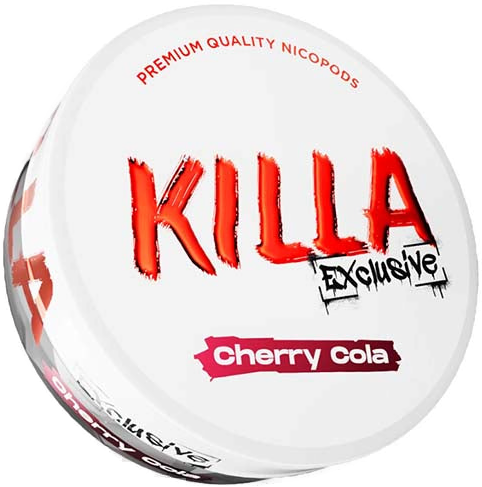
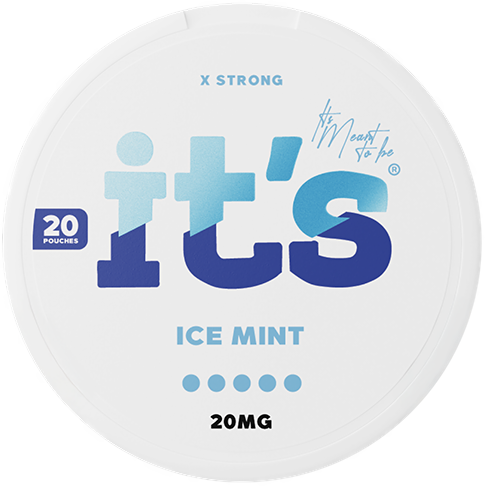
When looking at nicotine pouch cans, check the format, the nicotine figure, the flavour description and the number of pouches in the can. The can itself is a container, not a dose. It may hold pouches that are mini, slim, regular or another shape, and the same brand may offer several formats under one flavour name.
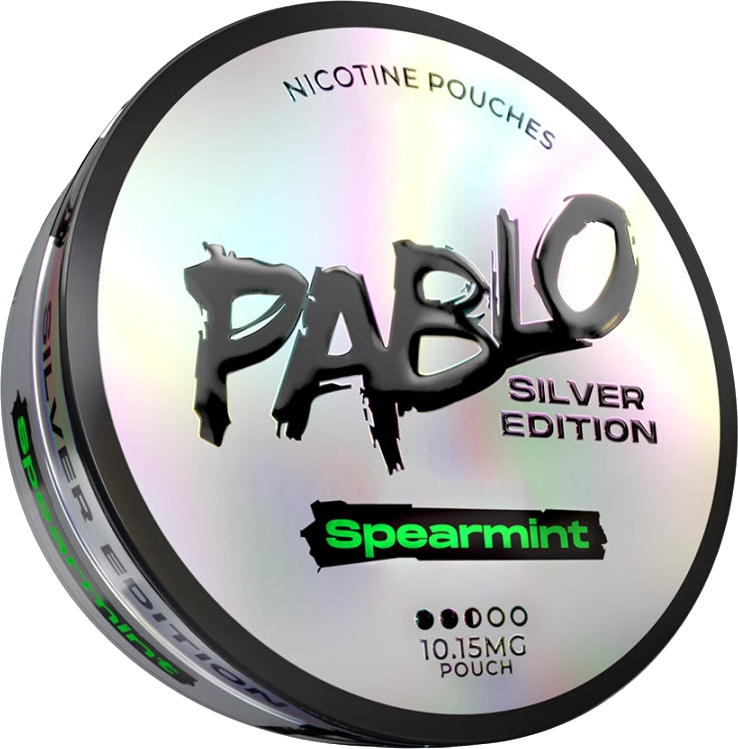
A useful way to compare is to separate the questions. First, decide whether discretion or a flatter feel matters most. Next, check the nicotine information in the form in which it is given. Then look at flavour notes, since mint, fruit and other profiles can feel quite different in a small pouch. This avoids treating the can as the deciding factor when the pouch inside is what actually affects comfort and taste.
Beginners sometimes assume that mini means mild and slim means strong. That is not reliable. Size can influence how the pouch feels and how quickly it releases flavour, but strength is shown through nicotine information. A mini pouch can be strong, and a slim pouch can be gentle. The label should be read literally rather than interpreted through the shape name.
Comfort, placement and practical checks
Placement is a matter of comfort, not force. The pouch is normally held gently against the gum, away from the front teeth, and moved only if it feels irritating. If a particular spot becomes sore, removing the pouch is sensible. Continuing to press a pouch against irritated tissue is unlikely to improve the experience.
Useful checks before choosing a format include:
- Whether the pouch is described as mini, slim or another shape
- Whether nicotine is listed per pouch, per gram, or both
- Whether the flavour is likely to feel sharp, sweet or mild
- Whether the pouch count and can size suit how often it is used
- Whether the product information is clear enough to compare with other brands
These checks are especially helpful when moving between brands. A switch from one flavour to another is not only a taste change. It may also involve a different pouch size, a different moisture level and a different nicotine amount. Keeping those variables separate makes it easier to understand why a familiar flavour feels different in a new format.
Another point is that pouches are for adults aged 18 and over. Nicotine is addictive, so product information deserves attention rather than a quick glance. The format may affect comfort, but it does not remove the need to follow the product guidance and to use nicotine responsibly.
Matching format to preference
There is no single best fit. A mini pouch may suit someone who prefers a small, contained shape and a shorter experience. A slim pouch may suit someone who wants a narrower feel under the lip and a flatter profile. A regular pouch may feel more substantial and may hold flavour for longer. The right choice depends on what the reader values: low bulk, a flatter shape, a familiar strength or a certain flavour profile.
Brand choice adds another layer. With ranges organised by strength and flavour, comparison is easier when the format is treated as part of the product description rather than an afterthought. nicpouch.uk.com reflects that kind of structure, with adult shoppers able to consider strength and flavour alongside the brands available.
The practical takeaway is simple. Mini and slim are shape terms, not strength promises. They affect how a pouch sits, how it releases flavour and how noticeable it feels. Nicotine content is shown separately and should be read on its own terms. Once those details are kept apart, nicotine pouch cans become much easier to understand, and the choice between formats becomes a matter of informed preference rather than guesswork.